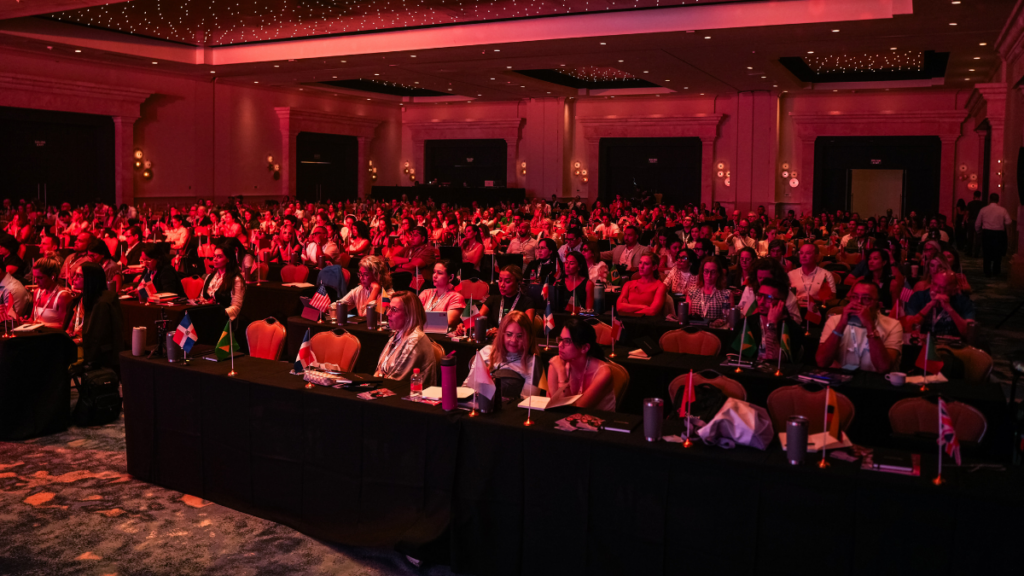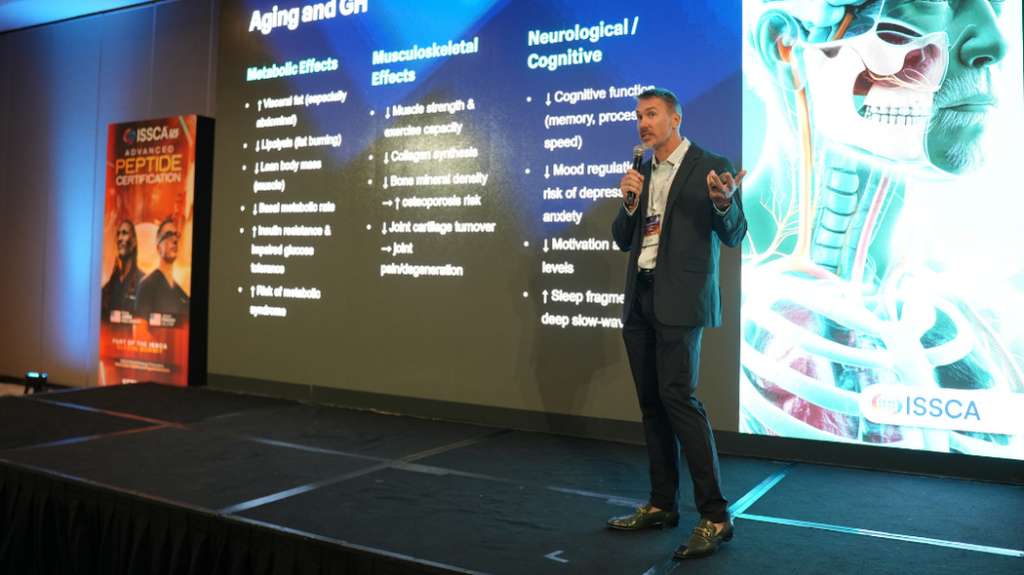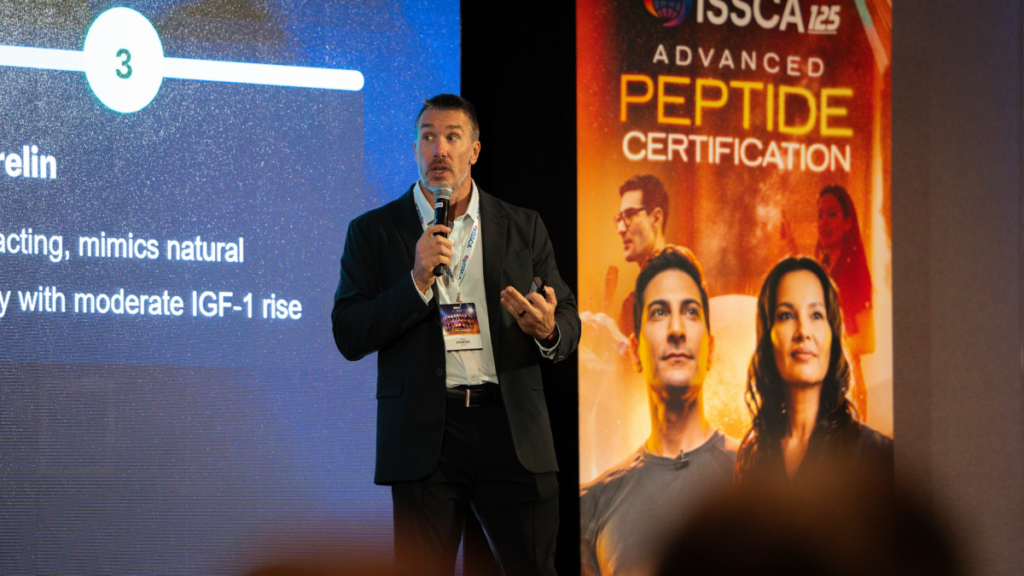

The release of the new ISSCA Magazine comes at a pivotal moment for regenerative medicine. As the field evolves beyond isolated procedures and into systems-based biological strategy, this issue focuses on what matters most today: integration.
This edition is dedicated to the art and science of integration — helping physicians move from offering regenerative procedures to designing fully coordinated regenerative protocols. Because the future of medicine is not about tools. It is about orchestration.
Regenerative medicine is entering a maturity phase. Outcomes are no longer determined by single interventions, but by how intelligently therapies are layered, sequenced, and personalized.
Each therapy covered in this issue is powerful on its own. But when combined with biological intention and strategic precision, they create something greater — true regenerative medicine.
Therapeutic Plasma Exchange is explored not simply as a detox modality, but as a method to remove inflammatory debris that impairs cellular signaling. EBOO therapy is positioned as a terrain-resetting strategy that influences oxygenation, oxidative stress, and systemic inflammation. Hyperbaric Oxygen is examined for its role in tissue nourishment, graft uptake, and angiogenesis support. PEMF, cryotherapy, and red light therapy are presented as recovery-enhancing tools that help restore physiological balance. Glutathione and NAD+ infusions are discussed in the context of mitochondrial preservation and metabolic resilience. Bioidentical hormone optimization is framed as a foundational element for anabolic and metabolic priming. Epigenetic methylation testing is analyzed as a blueprint for biochemical personalization.
None of these are presented as trends. They are components of integrated biological design.
Teaching Physicians to Think Like Architects, Not Technicians
What ISSCA has always stood for — and remains deeply committed to — is empowering physicians to go beyond protocol replication and become architects of healing.
That means understanding the patient not as a diagnosis, but as a dynamic system.
It means moving from isolated injections to coordinated interventions. From short-term symptom control to sustainable physiological recalibration. From one-size-fits-all approaches to data-driven personalization grounded in biology.
Not every patient requires every therapy. Integration is not about doing more. It is about doing what is necessary — in the right sequence, with the right biological reasoning, and with long-term outcomes in mind.
Through global training programs, international certifications, scientific summits, and publications such as this magazine, ISSCA has cultivated a network of clinicians who do not simply react to disease. They redesign health.
This issue represents another step in that mission.
Gratitude, Collaboration, and Vision
To the contributors in this edition — the researchers, clinicians, and physician-scientists who shared their insights — thank you. Your dedication to advancing the field while maintaining scientific integrity strengthens regenerative medicine worldwide.
To our partners across Argentina, Portugal, Colombia, the United States, Brazil, Spain, and beyond — your collaboration demonstrates that regenerative medicine is not theoretical. It is becoming the new foundation of care.
And to our readers — whether seasoned in cellular therapies or newly entering this space — thank you for engaging in a field that demands intellectual rigor and biological responsibility.
The learning curve may be steep, but the view from the summit is extraordinary.
As we release this new ISSCA Magazine issue, we invite you to continue building with us — researching, training, integrating, and innovating — always keeping our focus where it belongs: on the patient, the person, the whole biological system.
Welcome to the new issue of ISSCA Magazine.
Let’s explore the synergies that make healing work. Benito Novas
Founder & CEO, ISSCA